
The Klooga Massacre and Moral Choice
Los pacientes del doctor GarcíaThis flow examines the divergent choices of Adrián Gallardo Ortega and Heinrich Beyer during the massacre and the different moral aftermaths they face.
increasing Bearing strength in each event
 decreasing
Bearing strength in each eventdecreasingVolunteers at the Camp
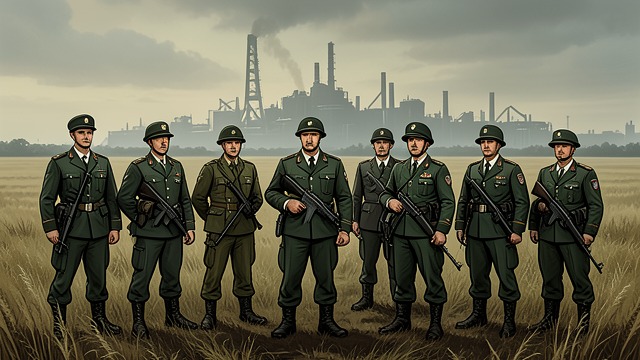
Orders in the Clearing
A forced assembly
Adrián and Jan are brought with other SS volunteers to a clearing near Klooga, where Jewish prisoners wait under guard.
The order is plain
Kleiber announces that the soldiers will help kill the prisoners, stripping the action of any moral disguise.
Beyer Refuses
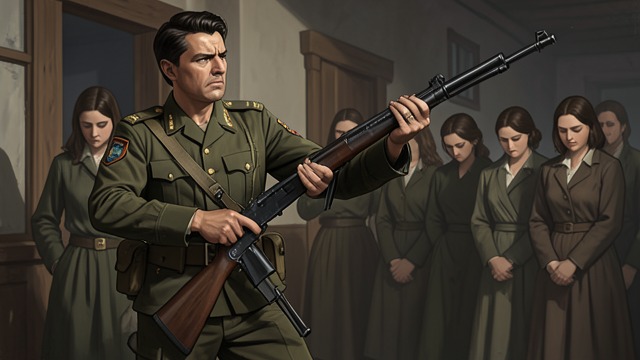
Conscience Against Command
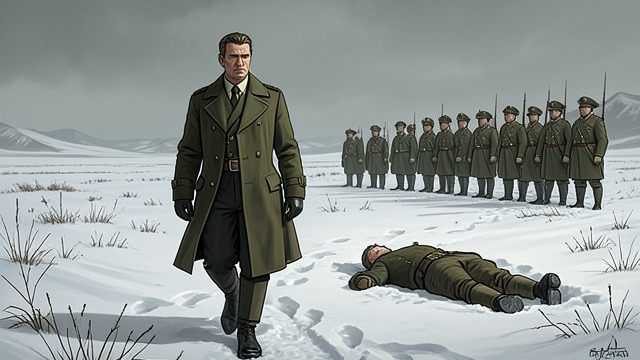
An explicit refusal
Heinrich Beyer will not fire on the women and tells Kleiber that his conscience prevents obedience.
Execution as warning
Kleiber shoots him in front of the unit, making refusal’s cost unmistakable.
Gallardo Opens Fire
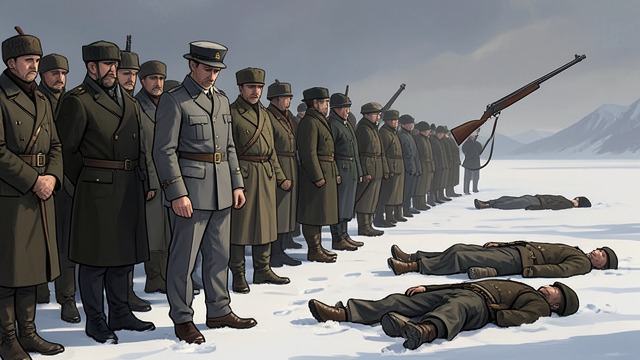
Participation in the Killing
Witnessing the victims
Adrián sees the starving prisoners as human beings and recognizes their fear and prayer.
A choice avoided
He nevertheless joins the firing squad, choosing survival and obedience over the possibility of death.
Blaming the Victims
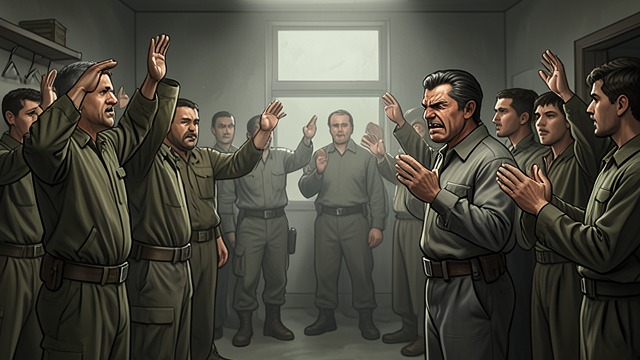
A Defense Against Guilt
The mind rewrites events
Adrián decides that the prisoners’ composure was an accusation designed to make him a murderer.
Hatred replaces remorse
By transferring blame to victims, he numbs himself and becomes more like Jan’s ideology.
A Life Without Peace
The Cost of Survival
Retreat toward Berlin
Adrián fights onward, detached from his former faith and family, and expects to die in the final defense.
Crimes remain unresolved
He escapes immediate justice by assuming another man’s identity, but his survival does not undo his participation.
20 September 1944
20 September 1944
20 September 1944
After the massacre
1944–1947
